If you have diabetes, your feet need more protection than most people realise. Over time, diabetes can reduce the feeling in your feet, so a small cut, blister or pressure point can go unnoticed until it becomes a wound. The right footwear is one of the simplest ways to lower that risk. This guide explains what diabetic footwear should do, the common mistakes people make, and how Seffshoe makes footwear for diabetic feet in Mumbai and Pune.
Why diabetes puts your feet at risk
Diabetes can damage the nerves in the feet. This is called neuropathy. When sensation is reduced, you may not feel a stone in your shoe, a tight strap or a hot floor. Diabetes can also slow healing, so a wound that would normally close in a few days can stay open much longer.
Pressure is the other problem. Every foot has areas that carry more weight than others. When those areas are pressed again and again, the skin thickens into corns and calluses, and in a foot with reduced feeling that pressure can break the skin into an ulcer.
Warning signs to watch for
- Numbness, tingling or burning in the feet
- Corns, calluses or hard skin under the foot
- Cracks in the heel or dry, thin skin
- A cut or blister that heals slowly
- Corns, calluses or hard skin under the foot
- A change in the shape of the foot or toes
- One foot that looks swollen, red or feels warmer than the other
If you have an open wound, swelling or redness, see your doctor first. Footwear protects the foot, but it does not replace medical treatment.
Common footwear mistakes
Soft slippers. Many people choose very soft slippers because they feel comfortable. For a diabetic or neuropathic foot, soft is often not enough. Soft slippers usually do not control pressure and do not protect the toes, which raises the risk of injury.
Ready-made “diabetic shoes” bought by size. Shoes sold online or off the shelf come in a few standard sizes. Your feet are not a size number. Two people with the same size can have very different pressure points, arches and foot shapes.
Walking barefoot at home. Many injuries happen indoors. If sensation is reduced, even walking barefoot at home is a risk.
Heavy, medical-looking shoes. Some footwear protects the foot but looks so heavy or clinical that people stop wearing it. Footwear only protects you if you actually wear it every day.
What good diabetic footwear should do
- Spread pressure away from high-risk areas under the foot
- Fit your exact foot shape, not just your length
- Protect the toes and the sides of the foot
- Support the way you walk, so strain does not move to the knees or back
- Look like normal footwear, so you are happy to wear it every day
- Be repairable, so a good pair lasts
How Seffshoe makes footwear for diabetic feet
Seffshoe grew from Dhansai Laboratory’s work on measuring neuropathy risk and pressure under the feet. Over about 20 years, we have helped more than 1,40,000 patients with customised footwear.
When you visit for a consultation, we typically:
- Take flat photographs of the soles of both feet
- Examine your feet for corns, calluses and changes in shape
- Record your walking on video when needed
- Map both feet with a standardised method
Where it helps, the lab can also check for early neuropathy (Sensitometer-HCP), assess ulcer risk (Sensitometer-VPT), measure pressure under the foot (PRADIP Pad) and look for inflammation or Charcot foot concerns (Sensitherm). Not every patient needs every test.
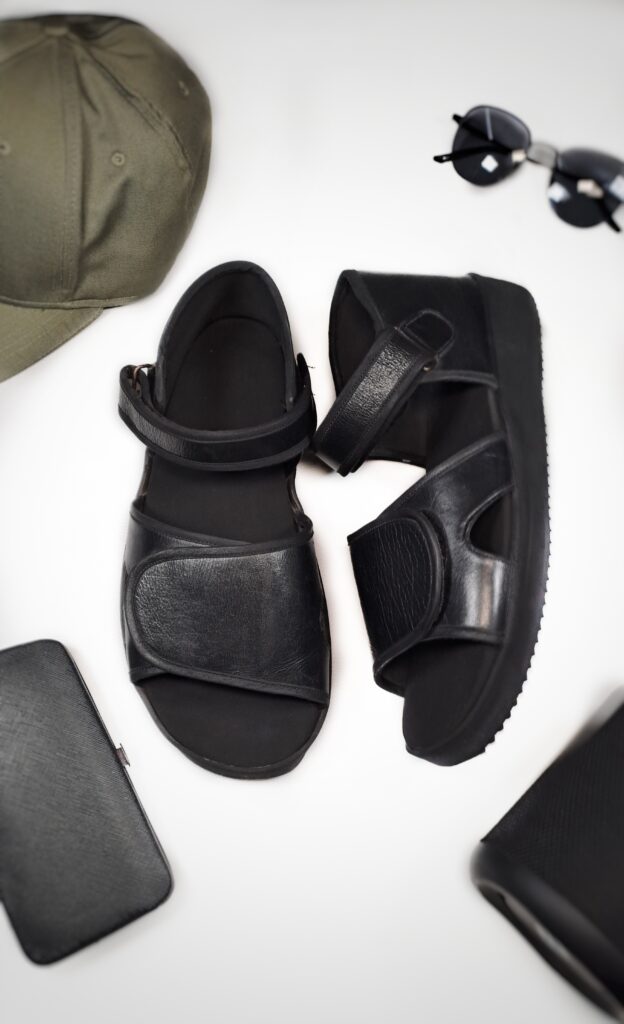
From this data, your footwear is made to measure, with the corrections built inside. That means your sandals, shoes, slippers or boots can look close to normal designer footwear while still protecting your feet. You can read more on how we make custom footwear.
Does everyone with diabetes need custom footwear?
Not always. Neuropathy, high pressure points, past ulcers or changes in foot shape raise the risk and make custom footwear more useful. The free consultation helps decide whether you need it, or whether another path, such as seeing a specialist, is better for you.
Simple daily foot care tips
- Check both feet every day, including between the toes. Use a mirror if needed.
- Do not walk barefoot, even at home.
- Shake out and check inside your footwear before wearing it.
- Keep feet clean and dry, and moisturize dry skin, but not between the toes.
- Cut nails straight across and do not cut corns yourself.
- Show any cut, blister or colour change to your doctor early.
Book a free foot consultation
Seffshoe works by appointment only. To book a free consultation at our Goregaon (Mumbai) or Pune clinic, WhatsApp or call +91 9833410235.
Have more questions? See our FAQ or contact us.